

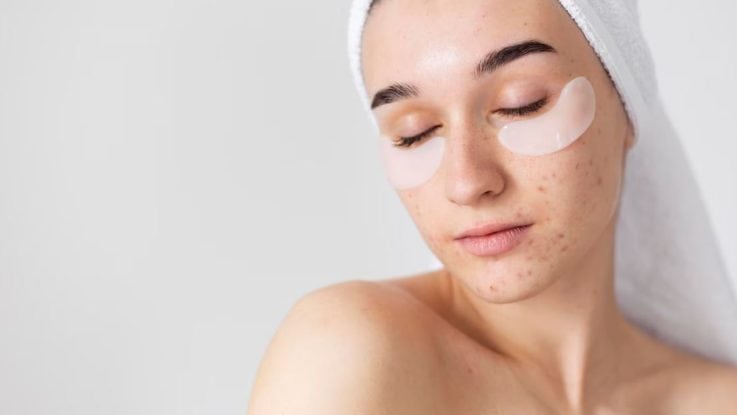
Though its goal is more focused and pressing, the Skin Control Pimple Patch marks a societal shift that is remarkably comparable to the time when sheet masks revolutionized beauty regimens. These discrete patches are incredibly successful at removing pollutants from inflammatory pimples because they employ hydrocolloid technology, which has long been trusted in medical wound treatment. Tea tree oil gives the solution a very noticeable antibacterial edge, which is very helpful for people who seek immediate relief without using more harsh treatments.
The significantly enhanced range of Skin Control is what makes it unique. The PM patches are more robust and made to last all night, while the AM patches are almost undetectable and blend in perfectly with makeup. This dual strategy is very adaptable and effective, satisfying the needs of both professionals who wish to keep their acne treatment private during the day and teenagers who are experiencing unexpected outbreaks.
Skin Control Pimple Patch – Key Details
| Category | Information |
|---|---|
| Brand | Skin Control |
| Product Type | Hydrocolloid pimple patches (AM, PM, XL, Party Pack) |
| Core Technology | Hydrocolloid + Tea Tree Oil infusion |
| Primary Benefits | Absorbs impurities, reduces redness, prevents scarring, protects against dirt |
| Variants Available | AM invisible patches, PM intensive patches, XL for larger areas |
| Suitable For | All skin types |
| Ethical Stance | Cruelty-free, vegan-friendly |
| Popular Reach | Cleared more than 56 million pimples in 2024 |
| Price Range | £4 – £8 per pack |
| Reference | Skin Control Official Website |
In the last ten years, acne treatments have frequently oscillated between two extremes: costly physician visits or harsh topical creams that peel the skin. With Skin Control, customers can get results-driven care without breaking the bank because to its shockingly low price point. By strategically promoting its patches as both fashionable and medical-grade, the company has greatly lessened the stigma associated with acne treatment.
When every flaw was accentuated by frequent Zoom calls during the pandemic, pimple patches became inconspicuous barriers. Wearing one prior to a virtual meeting has evolved into a subtle resilience tactic that provides both physical and psychological solace. This cultural change was exacerbated by Skin Control, which placed an emphasis on confidence as well as treatment. More than 56 million pimples were treated in 2024, according to its marketing, a statistic that emphasizes both scientific and symbolic advancements.
Acceptance was accelerated by celebrity influence. Celebrities like Florence Pugh and Justin Bieber reframed acne care as an act of transparency rather than shame by boldly sporting visible pimple patches. By providing vibrant, playful Party Packs and simple, transparent patches, Skin Control reflected this cultural reinterpretation and gave consumers the option to either show off or hide. This adaptability is especially creative and suggests that skincare is moving away from conformity and toward choice.
Hydrocolloids are quite effective in treating superficial pimples, but they are unable to treat deeper hormonal or cystic acne, according to critics, particularly some dermatologists. Even still, detractors admit that patches like Skin Control work astonishingly well to reduce the damaging habit of pimple popping and prevent scarring. In this sense, they have developed into incredibly resilient partners in contemporary daily life, frequently utilized in conjunction with prescription regimens.
Through clever collaborations and viral TikTok videos, Skin Control established a reputation for being both entertaining and useful. Similar to Kylie Jenner’s lip kits or the Korean sheet mask fad, their Party Pack—bundled patches intended for variety—feels culturally relevant. Skin Control’s message is very clear: acne is treatable, transient, and nothing to conceal. Customers are drawn to stories of empowerment, therefore this storytelling is essential.
The effects on society are more extensive. These patches have taken on symbolic meaning in relation to body positivity and mental wellness. Today’s youngsters treat acne openly, sometimes even jokingly, whereas past generations tried to hide it at all costs. The way patches show up in social media selfies as well as medical cabinets is a particularly striking example of this cultural shift. Skin Control has adapted to this change with ease, transforming concern into self-assurance.
Equally important are the economic ramifications. Affordable, consumer-driven technologies like pimple patches are upending the pharmaceutical corporations that once controlled the acne treatment market. Brands such as Skin Control democratize access to skincare by reducing the barrier to entry. This success story provides a remarkably comparable roadmap for early-stage beauty startups: blend medical research with astute design and cultural timing.
Leave a Reply